Caring for someone you love can be one of the most meaningful things you ever do. It can also be tiring in ways that are hard to put into words, emotionally heavy, and quietly overwhelming. Many carers tell us they feel as though their world has grown smaller — that they’ve become invisible, cut off from friends, or unsure where they belong anymore.
If any of this sounds familiar, you are not alone.
One of the most valuable sources of support for unpaid carers is connecting with other carers. Finding a sense of community in whatever way works for you can make a real difference to your wellbeing, confidence and sense of belonging.
Caring Can Be Lonely, Even When You’re Never Alone
Unpaid caring often brings a particular kind of loneliness. Your days may be full of responsibility, appointments, routines and worry, yet still feel isolating.
Caring can change your life slowly, often without you noticing at first. You may have less time or energy to see friends. Plans get cancelled at short notice. Conversations can feel difficult when others don’t fully understand what your life looks like now. Some carers tell us they stop talking about how they’re feeling altogether — not because they don’t want support, but because they don’t want to feel like a burden.
Over time, this can leave you feeling disconnected, not just from other people, but sometimes from yourself too. These feelings are incredibly common among carers; they are not a sign of weakness or of not coping well enough. They are a natural response to the demands of caring.
Why Community Is So Important for Unpaid Carers
When we talk about “community” for carers, we don’t mean pressure to socialise or to share more than you feel comfortable with. Community can be something much gentler than that. It can simply mean being in a space where you don’t have to explain yourself, where people already understand the unspoken truths of caring.
Connecting with other carers can remind you that your experiences are valid, that your feelings make sense, and that you are not alone in them. Being around people who just get it can be a huge relief. You don’t have to put on a brave face or pretend you’re coping. You don’t have to tidy up your emotions or find the right words. You can simply be yourself.
Community doesn’t take away the challenges of caring, but it can help them feel lighter, more manageable and less lonely.
Learning From Shared Experience
There is something uniquely powerful about support that comes from someone who has been there themselves. Peer support isn’t about advice from a textbook or being told what you should do. It’s about being alongside people who understand the reality of caring because they live it too.
Peer support can bring a deep sense of reassurance. Hearing “me too” or “I’ve felt that as well” can be incredibly grounding. It reminds you that your reactions are normal, your struggles are valid, and that you’re not failing or doing anything wrong. Many carers say this sense of shared understanding is one of the most comforting parts of connecting with others.
Peer support isn’t only about talking through difficulties. It can also be about noticing what others are doing to look after themselves, hearing how someone else has managed a similar situation, or simply sitting together in a space where you don’t feel alone. Often, it’s the quiet moments — shared nods, gentle laughter, or knowing looks — that matter just as much as the words.
Over time, peer support can help rebuild confidence. Many carers tell us that connecting with others helps them trust their instincts more, feel less isolated, and recognise their own strengths. It can also remind you that you are more than just a carer, you are a person with your own needs, feelings and identity.
“I’d Like to Connect… But It Feels Hard”
It’s completely normal to feel hesitant about connecting with others. Many carers tell us they feel too tired, too busy, or too anxious to meet new people. Others worry they won’t know what to say, or that they won’t have the energy to engage.
These feelings make sense. Caring can leave very little space for anything else.
What’s important to remember is that there is no right way to connect. You don’t have to talk if you don’t want to. You don’t have to attend every session. You don’t have to share personal details. You are always in control of what feels comfortable for you.
Different Ways to Find Community as a Carer
Every carer is different, which is why community support should never be one-size-fits-all. Some carers enjoy face-to-face connection, while others prefer online spaces or quieter activities.
That’s why we offer a range of ways for carers to connect:
In-Person Carer Cafés
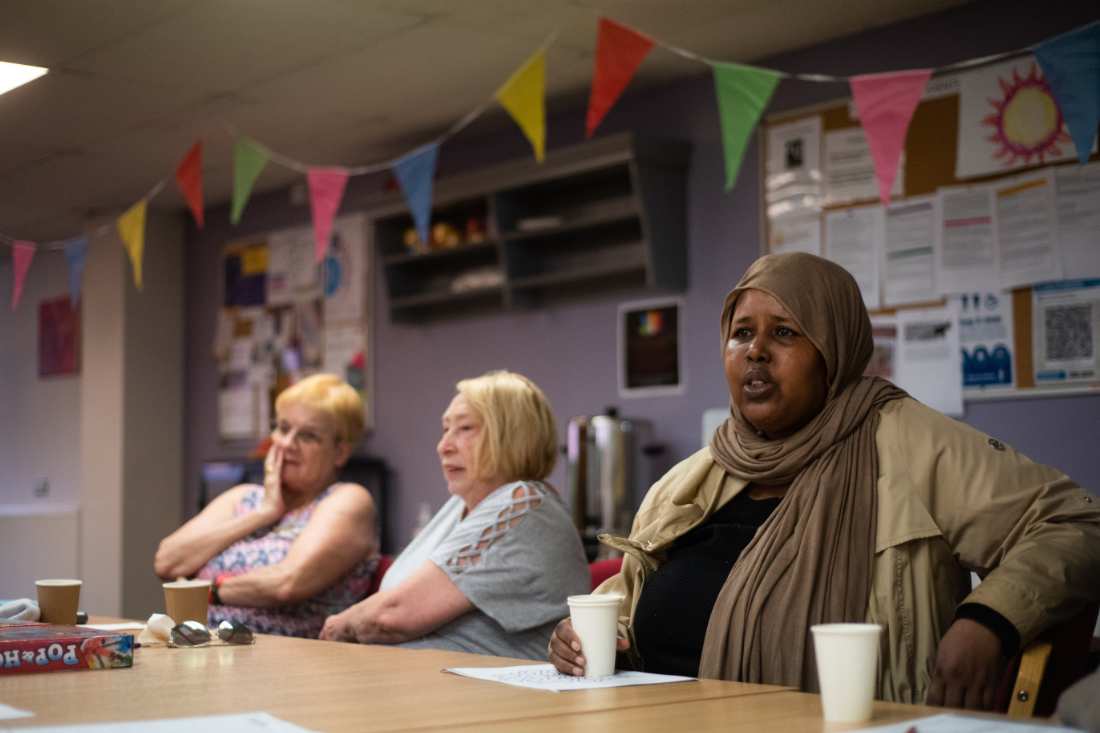
Our Carer Cafés offer a relaxed, welcoming space where carers can meet others, have a drink, and take a break from their caring role. There’s no pressure, just a chance to sit among people who understand.
LGBTQ+ Carers Café
We know that LGBTQ+ carers can face unique challenges and may not always feel safe or seen in general spaces. Our LGBTQ+ Carers Café provides a supportive, inclusive environment where carers can be themselves and connect with others who share similar experiences.
Online Carer Cafés
For carers who find it hard to leave home, online Carer Cafés offer connection from the comfort of your own space. These sessions can be a lifeline if you’re juggling caring responsibilities or feeling isolated.
Outings
Our outings give carers the chance to step away from daily pressures, enjoy something different, and connect in a more informal way. Many carers tell us these shared experiences help them relax and feel more like themselves again.
You don’t need to attend everything. Even one connection can make a difference.
Taking the First Step
If you’re thinking about connecting but feeling unsure, that’s completely okay. The first step can be small. You might read about a group before attending, join an online session and simply listen, come along once to see how it feels, or talk things through with a carer support worker.
There’s no expectation, no judgement, and no pressure to keep going if it doesn’t feel right. What matters is knowing that support is there when you’re ready.
If you’d like to find out more about our carer’s cafés and support groups, we’d love to hear from you. Get in touch with us to have a friendly chat, ask any questions, and explore what might feel right for you.